
Business Ideas That Actually Work
We've spent years watching people chase trends that fizzle out in months. Our program focuses on business fundamentals that matter—finding real opportunities, understanding your market, and building something sustainable in the Australian economy.

Three Ways to Learn (Pick What Fits Your Life)
Not everyone learns the same way, and honestly, not everyone has the same schedule. We built this program around real life—whether you're juggling a full-time job or can dedicate weekends.
Evening Sessions
Tuesday and Thursday nights, 6:30-9pm. Work through case studies, review businesses in your area, get feedback on your ideas. Most people choose this option.
Saturday Intensives
One Saturday per month, 9am-4pm. Deep dives into market research, financial modeling, and pitch development. Includes lunch and plenty of coffee.
Self-Paced Online
Access all materials, video walkthroughs, and templates on your own timeline. Monthly check-ins with mentors. Takes most people 12-14 weeks at their own pace.
What You'll Actually Get From This
We're not going to promise you'll leave with a million-dollar idea. But you will leave with practical skills and a clearer understanding of what works in the Australian market.
Market Research That Makes Sense
Learn how to spot genuine demand rather than chasing what sounds cool. We'll show you tools for validating ideas before you invest serious time or money. No complicated frameworks—just practical methods that work.
Financial Planning Without the Jargon
Understanding cash flow, pricing strategy, and basic forecasting. You don't need an accounting degree, but you do need to know if your idea can actually support itself. We break it down in plain English.
Testing Ideas on Real People
Practice pitching your concept to business owners, potential customers, and industry contacts. Get honest feedback early when it's easier to adjust your approach. Most people find this part uncomfortable but incredibly valuable.
Building Your Network (Naturally)
Connect with people tackling similar challenges. Some of our strongest alumni relationships started in these sessions. Plus you'll meet local business owners who share their experience navigating the Australian market.
People Who'll Actually Help You

Torvald Westergaard
Market Strategy
Started three businesses in Melbourne between 2016 and 2022. Two succeeded, one failed—he'll tell you about all three.

Siobhan Callaghan
Financial Planning
Former CFO who switched to advising small businesses. Makes financial modeling less painful than you'd expect.
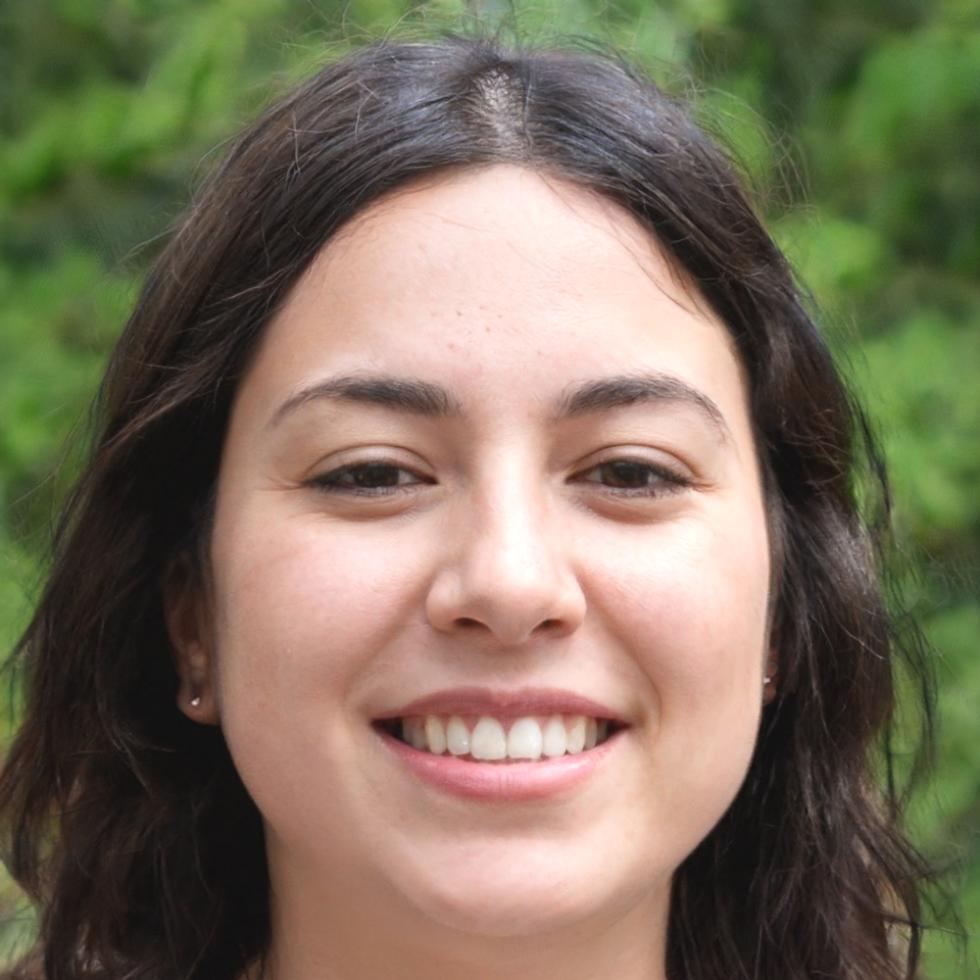
Elara Thornbury
Customer Research
Spent a decade in market research before launching her own consultancy. Knows how to find what customers actually want.
How We Structure Learning
The program moves through four phases over ten weeks. Each phase builds on the previous one, so by the end you've got a complete picture of whether your business idea has legs.
Idea Validation
Start with your concept and learn to test it properly. Talk to potential customers, research competitors, figure out if there's genuine demand. Weeks 1-3.
Business Model Development
Map out how money flows through your business. Understand costs, pricing, and what it takes to break even. Create realistic projections. Weeks 4-6.
Go-to-Market Strategy
Figure out how you'll actually reach customers. Marketing channels, partnerships, sales approach. Test your pitch on real people. Weeks 7-8.
Launch Planning
Pull everything together into a practical roadmap. Set milestones, identify resources you'll need, plan your first 90 days. Weeks 9-10.